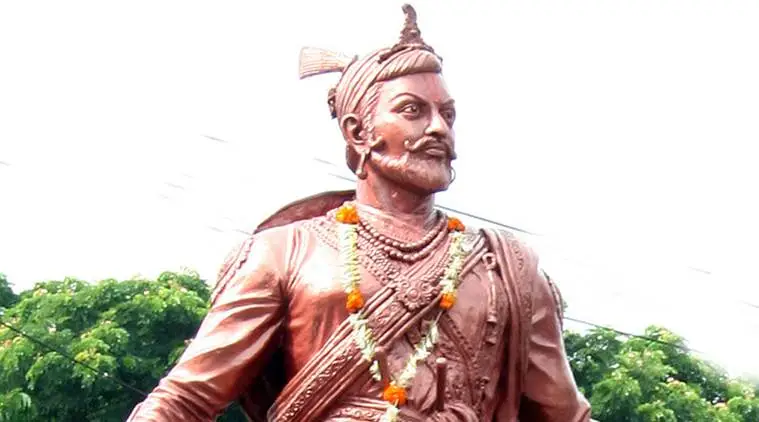
Sambhaji Maharaj
Warriors & Kings | 14 May 1657 - 11 March 1689
"Chhatrapati Sambhaji Maharaj was the second ruler of the Maratha Empire and the eldest son of Chhatrapati Shivaji Maharaj. Renowned for his bravery, military leadership, and unwavering resistance against the Mughal Empire, he defended the Maratha state during one of its most challenging periods and became a symbol of courage and sacrifice."
Born
14 May 1657Birthplace
Purandar Fort, Pune, Maharashtra, IndiaDied
11 March 1689Place of Death
Tulapur, Pune District, Maharashtra, IndiaNationality
Indian (Maratha)Gender
MaleChhatrapati Sambhaji Maharaj Biography
Chhatrapati Sambhaji Maharaj was the second ruler of the Maratha Empire and the eldest son of Chhatrapati Shivaji Maharaj. He is remembered as a brave warrior, capable administrator, and fearless defender of Swarajya. During his reign, he faced powerful enemies, including the Mughal Emperor Aurangzeb, yet remained steadfast in protecting the independence and dignity of the Maratha state.
Early Life
Sambhaji Maharaj was born on 14 May 1657 at Purandar Fort in Maharashtra. He was the son of Chhatrapati Shivaji Maharaj and Maharani Saibai.
After the early death of his mother, Sambhaji was raised under the care of his grandmother Jijabai. He received extensive training in administration, military tactics, diplomacy, and literature.
From a young age, he displayed remarkable intelligence, courage, and leadership abilities.
Education and Scholarship
Sambhaji Maharaj was highly educated and proficient in multiple languages, including Marathi, Sanskrit, Hindi, and Persian.
He was not only a warrior but also a scholar. He is credited with authoring literary works such as Budhbhushan, which reflects his intellectual depth and understanding of governance and ethics.
Role During Shivaji Maharaj's Reign
During the reign of his father, Sambhaji actively participated in military campaigns and administrative affairs.
He gained valuable experience in warfare and statecraft, preparing himself for future leadership responsibilities. His bravery on the battlefield earned him recognition among Maratha commanders and soldiers.
Accession to the Throne
After the death of Chhatrapati Shivaji Maharaj in 1680, a succession dispute arose within the Maratha court. Despite political challenges, Sambhaji secured his position and was crowned as the second Chhatrapati of the Maratha Empire.
He inherited a kingdom surrounded by powerful adversaries and immediately faced the challenge of preserving Maratha independence.
Conflict with the Mughal Empire
Sambhaji Maharaj's reign was dominated by the struggle against the Mughal Emperor Aurangzeb, who launched a massive campaign to conquer the Maratha Kingdom.
Despite facing a much larger army, Sambhaji employed effective military strategies and launched numerous counterattacks against Mughal forces.
His leadership prevented the immediate collapse of the Maratha state and kept the spirit of resistance alive.
Military Campaigns
Sambhaji Maharaj led several successful campaigns against the Mughals, Siddis, Portuguese, and other rivals.
His military achievements included:
- Defense of Maratha territories against Mughal invasions.
- Campaigns against Portuguese strongholds.
- Operations against the Siddis of Janjira.
- Expansion and protection of Maratha influence in the Deccan.
His courage and aggressive military tactics earned him a reputation as a formidable warrior king.
Administration and Governance
As ruler, Sambhaji Maharaj continued many of the administrative policies established by Shivaji Maharaj.
He focused on maintaining law and order, strengthening defenses, collecting revenue efficiently, and ensuring the functioning of state institutions during wartime conditions.
His administration demonstrated resilience despite constant military pressure.
Defense of Swarajya
Sambhaji viewed himself as the protector of Swarajya established by his father. He refused to submit to Mughal authority and remained committed to preserving the independence of the Maratha Empire.
His determination inspired Maratha soldiers and helped sustain resistance against imperial expansion.
Capture by the Mughals
In 1689, Sambhaji Maharaj was captured by Mughal forces near Sangameshwar through betrayal and strategic circumstances.
He was taken prisoner along with his close associate Kavi Kalash and presented before Aurangzeb.
Despite severe pressure and harsh treatment, Sambhaji Maharaj refused to surrender his beliefs or accept Mughal demands.
Martyrdom
On 11 March 1689, Sambhaji Maharaj was executed at Tulapur. His death became one of the most significant acts of sacrifice in Maratha history.
His courage in the face of adversity transformed him into a symbol of resistance, honor, and unwavering commitment to Swarajya.
Legacy
Sambhaji Maharaj's sacrifice strengthened the resolve of the Marathas. Rather than ending the resistance, his martyrdom inspired future leaders to continue the struggle against Mughal domination.
The Maratha Empire eventually emerged stronger and later became one of the dominant powers in India.
Leadership Qualities
Sambhaji Maharaj was known for:
- Exceptional bravery.
- Military leadership.
- Scholarship and learning.
- Commitment to Swarajya.
- Determination in adversity.
- Patriotism and sacrifice.
Historical Significance
Historians regard Sambhaji Maharaj as one of the key defenders of the Maratha Empire during a critical period. His resistance delayed Mughal ambitions in the Deccan and ensured the survival of the Maratha movement.
His life demonstrates the importance of courage, resilience, and commitment to national ideals.
Honours and Recognition
- Second Chhatrapati of the Maratha Empire.
- Eldest son of Chhatrapati Shivaji Maharaj.
- Renowned defender of Swarajya.
- Remembered as a scholar and warrior king.
- Honored as a symbol of courage and sacrifice in Indian history.
Conclusion
Chhatrapati Sambhaji Maharaj dedicated his life to defending the Maratha Empire and preserving the vision of Swarajya established by Shivaji Maharaj. Through his bravery, leadership, scholarship, and ultimate sacrifice, he secured a lasting place among the greatest warrior kings of India. His legacy continues to inspire generations with the values of courage, honor, and unwavering devotion to freedom.
Comments & Tribute (0)