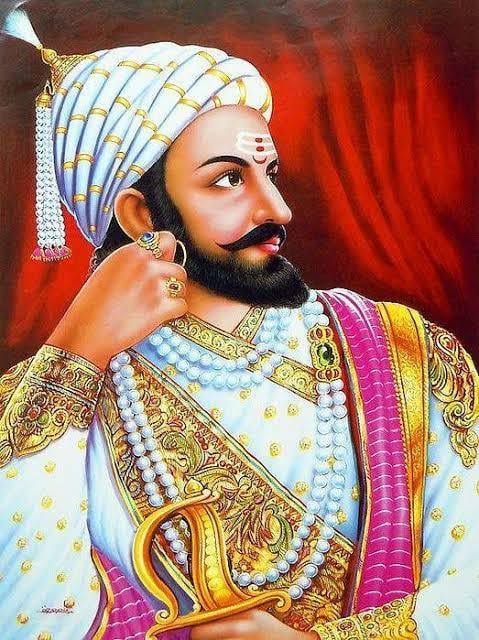
Chhatrapati Shivaji Maharaj
Warriors & Kings | 19 February 1630 - 03 April 1680
"Chhatrapati Shivaji Maharaj was the founder of the Maratha Empire and one of India's greatest warrior kings. Renowned for his military brilliance, administrative reforms, naval strength, and commitment to justice, he established a powerful Hindu kingdom in western India and inspired generations with his vision of self-rule and good governance."
Born
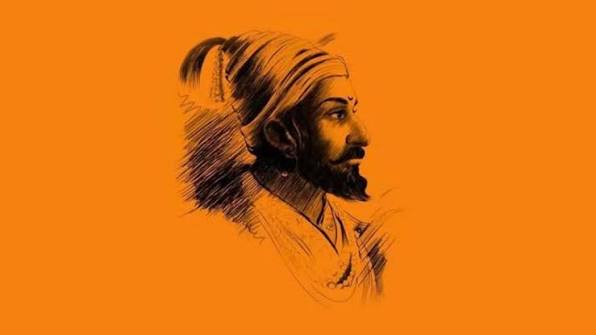
19 February 1630Birthplace
Shivneri Fort, Junnar, Pune District, Maharashtra, IndiaDied
03 April 1680Place of Death
Raigad Fort, Maharashtra, IndiaNationality
Indian (Maratha)Gender
MaleChhatrapati Shivaji Maharaj Biography
Chhatrapati Shivaji Maharaj was one of the greatest rulers in Indian history and the founder of the Maratha Empire. Known for his extraordinary military leadership, visionary administration, and unwavering commitment to Swarajya (self-rule), Shivaji Maharaj established a powerful kingdom that challenged the dominance of larger empires. His life continues to inspire millions with its lessons of courage, leadership, justice, and patriotism.
Early Life
Shivaji Maharaj was born on 19 February 1630 at Shivneri Fort near Junnar in present-day Maharashtra. He was the son of Shahaji Bhonsle, a distinguished military commander, and Jijabai, a deeply religious and inspiring woman who played a crucial role in shaping his character.
From childhood, Shivaji was taught the values of courage, justice, devotion, and leadership. His mother narrated stories from the Ramayana, Mahabharata, and the lives of great heroes, which deeply influenced him.
Education and Training
Under the guidance of Dadoji Konddev and other mentors, Shivaji received training in administration, warfare, diplomacy, horse riding, swordsmanship, and military strategy.
He developed a deep understanding of the geography of the Western Ghats, which later helped him design effective military campaigns.
Vision of Swarajya
At a young age, Shivaji envisioned the establishment of a kingdom based on justice and self-rule. This vision, known as Swarajya, became the guiding principle of his life.
He began gathering loyal supporters and gradually built a strong foundation for the future Maratha state.
Capture of Forts
Shivaji started expanding his influence by capturing strategically important forts. In 1646, he captured Torna Fort, marking the beginning of his rise to power.
Over time, he gained control of numerous forts, including:
- Torna Fort
- Rajgad Fort
- Purandar Fort
- Sinhagad Fort
- Raigad Fort
These forts formed the backbone of the growing Maratha Kingdom.
Military Genius and Guerrilla Warfare
Shivaji Maharaj is celebrated for his innovative military tactics, particularly guerrilla warfare, known as Ganimi Kava.
Rather than engaging in direct battles against larger armies, he relied on speed, intelligence, surprise attacks, and knowledge of local terrain.
These strategies enabled him to achieve remarkable victories against powerful opponents.
Conflict with the Adilshahi Sultanate
The growing power of Shivaji attracted the attention of the Bijapur Sultanate. In 1659, the Bijapur general Afzal Khan was sent to suppress him.
During their historic meeting at Pratapgad Fort, Shivaji successfully defended himself against Afzal Khan's treachery and emerged victorious.
This victory significantly enhanced his reputation throughout India.
Conflict with the Mughal Empire
Shivaji's expanding influence soon brought him into conflict with the Mughal Empire under Emperor Aurangzeb.
Despite facing one of the most powerful empires of the time, Shivaji displayed remarkable military skill and resilience.
His daring escape from Mughal captivity in Agra in 1666 remains one of the most dramatic events in Indian history.
Coronation as Chhatrapati
On 6 June 1674, Shivaji Maharaj was formally crowned as Chhatrapati at Raigad Fort.
The coronation symbolized the establishment of an independent Maratha kingdom and the fulfillment of his dream of Swarajya.
It marked a significant turning point in Indian political history.
Administration and Governance
Shivaji Maharaj was not only a great warrior but also an able administrator. He established an efficient system of government based on justice, accountability, and public welfare.
His administration included the famous Ashta Pradhan (Council of Eight Ministers) to assist in governing the kingdom.
Key features of his administration included:
- Efficient revenue system.
- Strong judicial administration.
- Protection of farmers and civilians.
- Promotion of trade and commerce.
- Merit-based appointments.
Naval Expansion
Recognizing the importance of maritime security, Shivaji established one of India's earliest organized naval forces.
He built several coastal forts and strengthened naval defenses to protect trade routes and counter foreign threats.
This earned him recognition as the father of the Indian Navy by many historians.
Religious Tolerance
Although a devout Hindu, Shivaji Maharaj respected all religions and communities. He protected places of worship and ensured fair treatment of people regardless of their faith.
His policies promoted social harmony and earned him respect from diverse sections of society.
Leadership Qualities
Shivaji Maharaj was admired for his bravery, discipline, intelligence, and concern for his people. He maintained strict military ethics and emphasized the protection of women, civilians, and religious institutions during campaigns.
His leadership style combined strength with compassion, making him a respected ruler.
Death
Chhatrapati Shivaji Maharaj passed away on 3 April 1680 at Raigad Fort. His death was a major loss for the Maratha Empire, but the foundations he created enabled the Marathas to become one of the strongest powers in India.
Legacy
Shivaji Maharaj is remembered as one of India's greatest kings and nation-builders. His vision of Swarajya, commitment to justice, and military innovations transformed Indian history.
His life continues to inspire leaders, soldiers, administrators, and citizens across generations.
Honours and Recognition
- Founder of the Maratha Empire.
- Known as Chhatrapati Shivaji Maharaj.
- Pioneer of guerrilla warfare in India.
- Builder of a strong naval force.
- Symbol of courage, leadership, and self-rule.
- Remembered as one of the greatest warrior kings in Indian history.
Conclusion
Chhatrapati Shivaji Maharaj dedicated his life to establishing Swarajya and protecting his people. Through military brilliance, administrative excellence, and visionary leadership, he created one of the most influential kingdoms in Indian history. His legacy continues to inspire millions and secures his place among the greatest rulers the world has ever known.
Comments & Tribute (0)