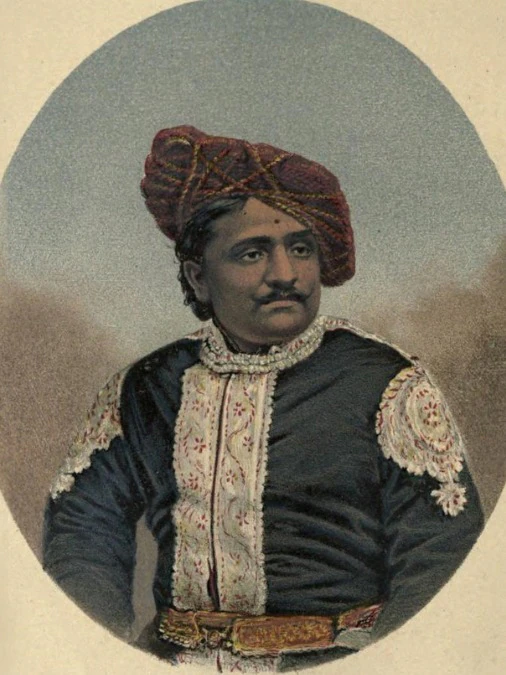
Rajaram Maharaj
Warriors & Kings | 24 February 1670 - 02 March 1700
"Chhatrapati Rajaram Maharaj was the third ruler of the Maratha Empire and the younger son of Chhatrapati Shivaji Maharaj. He played a crucial role in preserving the Maratha state during the Mughal invasion led by Aurangzeb. Through determination, strategic leadership, and effective coordination of Maratha commanders, he ensured the survival of Swarajya during one of its most difficult periods."
Born
24 February 1670Birthplace
Raigad Fort, Maharashtra, IndiaDied
02 March 1700Place of Death
Sinhagad Fort, Maharashtra, IndiaNationality
Indian (Maratha)Gender
MaleChhatrapati Rajaram Maharaj Biography
Chhatrapati Rajaram Maharaj was the third ruler of the Maratha Empire and one of the key figures responsible for preserving the legacy of Shivaji Maharaj during a period of severe crisis. Following the martyrdom of his elder brother Sambhaji Maharaj, Rajaram took charge of the Maratha resistance against the Mughal Empire. His leadership ensured the survival of Swarajya and laid the foundation for the future resurgence of Maratha power.
Early Life
Rajaram Maharaj was born on 24 February 1670 at Raigad Fort. He was the younger son of Chhatrapati Shivaji Maharaj and Maharani Soyarabai.
Growing up in the royal Maratha court, he received education in administration, military tactics, diplomacy, and governance. Although he was not initially expected to become ruler, his training prepared him for future responsibilities.
Family Background
Rajaram belonged to the illustrious Bhonsle dynasty. His father, Chhatrapati Shivaji Maharaj, had founded the Maratha Empire and established the ideals of Swarajya. His elder brother, Sambhaji Maharaj, succeeded Shivaji and continued the struggle against the Mughal Empire.
The political and military environment of his upbringing deeply influenced Rajaram's character and leadership style.
Accession to the Throne
After the capture and execution of Sambhaji Maharaj by Mughal forces in 1689, the Maratha Empire faced one of the gravest threats in its history. Aurangzeb believed that Maratha resistance would collapse.
However, Rajaram Maharaj was crowned as the next Chhatrapati and assumed leadership of the Maratha state during this difficult period.
Escape from Raigad
As Mughal forces intensified their attacks, Rajaram successfully escaped from the besieged Raigad Fort. This daring move allowed him to continue leading the resistance movement instead of being captured by the enemy.
His escape proved crucial for the survival of the Maratha Empire.
Journey to Jinji Fort
Rajaram established his court at the fortified city of Jinji (Gingee) in present-day Tamil Nadu. The fort's strategic location made it difficult for Mughal forces to capture.
From Jinji, Rajaram coordinated military operations and directed resistance across the Deccan.
The defense of Jinji became one of the most remarkable chapters in Maratha history.
Resistance Against Aurangzeb
Throughout his reign, Rajaram Maharaj faced the mighty Mughal Empire led by Aurangzeb. Despite limited resources, the Marathas continued their struggle through mobility, local support, and effective military tactics.
Rajaram encouraged Maratha commanders to launch attacks across various regions, preventing the Mughals from achieving complete control.
Leadership of Maratha Commanders
Rajaram worked closely with some of the most capable Maratha military leaders, including:
- Santaji Ghorpade
- Dhanaji Jadhav
- Parsoji Bhonsle
- Ramchandra Pant Amatya
These commanders successfully challenged Mughal armies and kept the spirit of resistance alive throughout the empire.
Military Strategy
Rajaram Maharaj continued the guerrilla warfare traditions established by Shivaji Maharaj. Instead of engaging in large conventional battles, Maratha forces used speed, surprise attacks, and knowledge of local terrain.
This approach exhausted Mughal resources and significantly prolonged the conflict.
Administration During Wartime
Despite constant warfare, Rajaram maintained the administrative structure of the Maratha state. He delegated authority to trusted officials and ensured the functioning of government institutions.
His leadership preserved political unity during a period when the empire faced numerous external pressures.
Return to Maharashtra
After years at Jinji, Rajaram eventually returned to Maharashtra and continued directing military and political affairs. The Maratha resistance remained active, and Mughal forces failed to eliminate the movement.
His return boosted the morale of Maratha soldiers and supporters.
Death
Rajaram Maharaj passed away on 2 March 1700 at Sinhagad Fort at the age of thirty. His death was a significant loss for the Maratha Empire.
Following his death, Maharani Tarabai assumed leadership and continued the resistance against the Mughals.
Legacy
Rajaram Maharaj is remembered as the ruler who safeguarded the Maratha Empire during one of its darkest periods. His determination and strategic leadership ensured that the dream of Swarajya survived despite overwhelming challenges.
Without his efforts, the Maratha state might not have endured long enough to emerge as a major power in the eighteenth century.
Leadership Qualities
- Resilience during crisis.
- Strategic decision-making.
- Commitment to Swarajya.
- Strong coordination with military leaders.
- Administrative capability during wartime.
- Courage and perseverance.
Historical Significance
Rajaram Maharaj played a decisive role in preserving the continuity of the Maratha Empire after the loss of Sambhaji Maharaj. His leadership transformed a period of near-collapse into one of resistance and recovery.
His reign demonstrated the resilience and determination that became defining characteristics of the Maratha state.
Honours and Recognition
- Third Chhatrapati of the Maratha Empire.
- Younger son of Chhatrapati Shivaji Maharaj.
- Leader of the Maratha resistance against Aurangzeb.
- Defender of Swarajya during a critical period.
- Remembered as one of the important rulers of the Maratha Empire.
Conclusion
Chhatrapati Rajaram Maharaj devoted his life to preserving the Maratha Empire during a time of extraordinary danger. Through courage, determination, and effective leadership, he ensured the survival of Swarajya and helped sustain the struggle against Mughal domination. His legacy remains an inspiring chapter in the history of the Maratha Empire and Indian history.
Comments & Tribute (0)