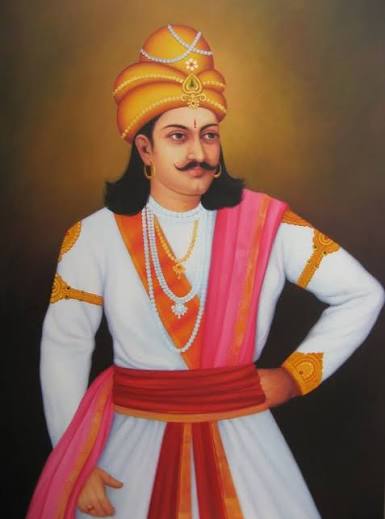
Ashoka the Great
Ancient India | c. 304 BCE - c. 232 BCE
"Ashoka the Great was the third emperor of the Maurya Empire and one of the most celebrated rulers in world history. After witnessing the devastation of the Kalinga War, he embraced Buddhism and dedicated his reign to peace, justice, welfare, and moral governance. His efforts helped spread Buddhism across Asia and left a lasting legacy in Indian history."
Born
c. 304 BCEBirthplace
Pataliputra, Maurya Empire (Present-day Patna, Bihar, India)Died
c. 232 BCEPlace of Death
Pataliputra, Maurya Empire (Present-day Patna, Bihar, India)Nationality
Mauryan (Ancient Indian)Gender
MaleAshoka the Great Biography
Ashoka the Great was one of the most influential rulers in world history and the third emperor of the Maurya Empire. He ruled over one of the largest empires in ancient India and is remembered for his transformation from a powerful conqueror into a champion of peace and Buddhism. His reign marked a golden period of political unity, social welfare, religious tolerance, and moral governance.
Early Life
Ashoka was born around 304 BCE in Pataliputra, the capital of the Maurya Empire. He was the son of Emperor Bindusara and the grandson of Chandragupta Maurya, the founder of the Maurya Empire.
As a prince, Ashoka received training in military strategy, administration, diplomacy, and governance. He earned a reputation for courage, intelligence, and leadership at a young age.
Rise to Power
After the death of Bindusara, a struggle for succession took place among the royal princes. Following years of political conflict, Ashoka emerged victorious and ascended the Mauryan throne around 268 BCE.
He inherited a vast empire and worked to strengthen its administration, economy, and military power.
Expansion of the Maurya Empire
Ashoka continued the imperial policies of his predecessors and expanded Mauryan influence across the Indian subcontinent.
Under his leadership, the Maurya Empire became one of the largest political entities in the ancient world, extending from present-day Afghanistan in the northwest to much of southern India.
His empire included numerous cultures, languages, and communities, making efficient governance essential.
The Kalinga War
The most significant turning point in Ashoka's life was the Kalinga War, fought around 261 BCE against the kingdom of Kalinga (present-day Odisha).
The war resulted in massive destruction and loss of life. Historical inscriptions suggest that more than one hundred thousand people were killed, while many others were injured, displaced, or taken captive.
Witnessing the suffering caused by the conflict deeply affected Ashoka. The devastation of the war led him to question the value of conquest through violence.
Conversion to Buddhism
Following the Kalinga War, Ashoka embraced the teachings of Buddhism. He adopted the principles of nonviolence, compassion, moral conduct, and respect for all living beings.
Although he remained emperor, he gradually shifted his focus from military expansion to public welfare and ethical governance.
His conversion became one of the most remarkable transformations in political history.
Dhamma and Moral Governance
Ashoka promoted a philosophy known as Dhamma, which emphasized ethical behavior, tolerance, kindness, honesty, and respect for others.
His policies encouraged:
- Nonviolence and compassion.
- Religious tolerance.
- Respect for parents and elders.
- Care for animals and the environment.
- Fair treatment of citizens.
- Moral responsibility and social harmony.
He believed that true greatness came not from conquest but from serving the welfare of the people.
The Ashokan Edicts
To communicate his policies and principles, Ashoka ordered the inscription of messages on rocks and stone pillars throughout the empire.
These inscriptions, known as the Ashokan Edicts, provide valuable information about his administration, beliefs, and governance.
They represent some of the earliest written historical records of ancient India and remain important sources for historians.
Promotion of Buddhism
Ashoka played a crucial role in spreading Buddhism both within and beyond India. He supported Buddhist monasteries, sponsored religious activities, and encouraged the study of Buddhist teachings.
Missionaries were sent to various regions, including:
- Sri Lanka
- Nepal
- Myanmar
- Central Asia
- Southeast Asia
According to Buddhist traditions, his son Mahinda and daughter Sanghamitta helped introduce Buddhism to Sri Lanka.
Public Welfare Measures
Ashoka introduced several welfare programs aimed at improving the lives of his people.
- Construction of roads and rest houses.
- Planting of trees along highways.
- Digging of wells and water reservoirs.
- Establishment of hospitals for humans and animals.
- Improvement of trade and communication networks.
These initiatives contributed to the prosperity and stability of the empire.
Religious Tolerance
Although Ashoka became a devoted Buddhist, he respected all religious traditions. His edicts emphasized harmony among different faiths and encouraged mutual understanding.
This policy helped maintain peace within the diverse Mauryan Empire.
Administration and Governance
Ashoka maintained a highly organized administrative system. Provincial governors, officials, and special officers known as Dhamma Mahamatras were appointed to ensure the welfare of citizens and the implementation of ethical policies.
His governance combined efficiency with compassion, making him one of the most admired rulers of ancient times.
Death
Ashoka died around 232 BCE in Pataliputra after ruling for nearly four decades. His death marked the end of one of the greatest reigns in Indian history.
Although the Maurya Empire gradually declined after his passing, his influence continued to spread through Buddhism and his ideals of governance.
Legacy
Ashoka is remembered as one of the greatest emperors in world history. His transformation from conqueror to advocate of peace remains an enduring example of moral leadership.
His support for Buddhism helped transform it into a major world religion, while his emphasis on tolerance and welfare influenced generations of rulers.
Historical Significance
The reign of Ashoka represents a unique period in which political power was combined with ethical governance and humanitarian values.
His policies demonstrated that an empire could achieve greatness through justice, compassion, and public service rather than military conquest alone.
Honours and Recognition
- Known worldwide as "Ashoka the Great."
- One of the greatest rulers in Indian and world history.
- Promoter of Buddhism across Asia.
- The Lion Capital of Ashoka is the National Emblem of India.
- The Ashoka Chakra at the center of the Indian National Flag is named after him.
- Remembered as a symbol of peace, justice, and ethical governance.
Conclusion
Ashoka the Great transformed the Maurya Empire through visionary leadership, moral governance, and dedication to public welfare. His embrace of Buddhism after the Kalinga War changed the course of history and influenced millions across Asia. His legacy as a ruler who chose peace over conquest continues to inspire humanity and secures his place among the greatest leaders of all time.
Comments & Tribute (0)