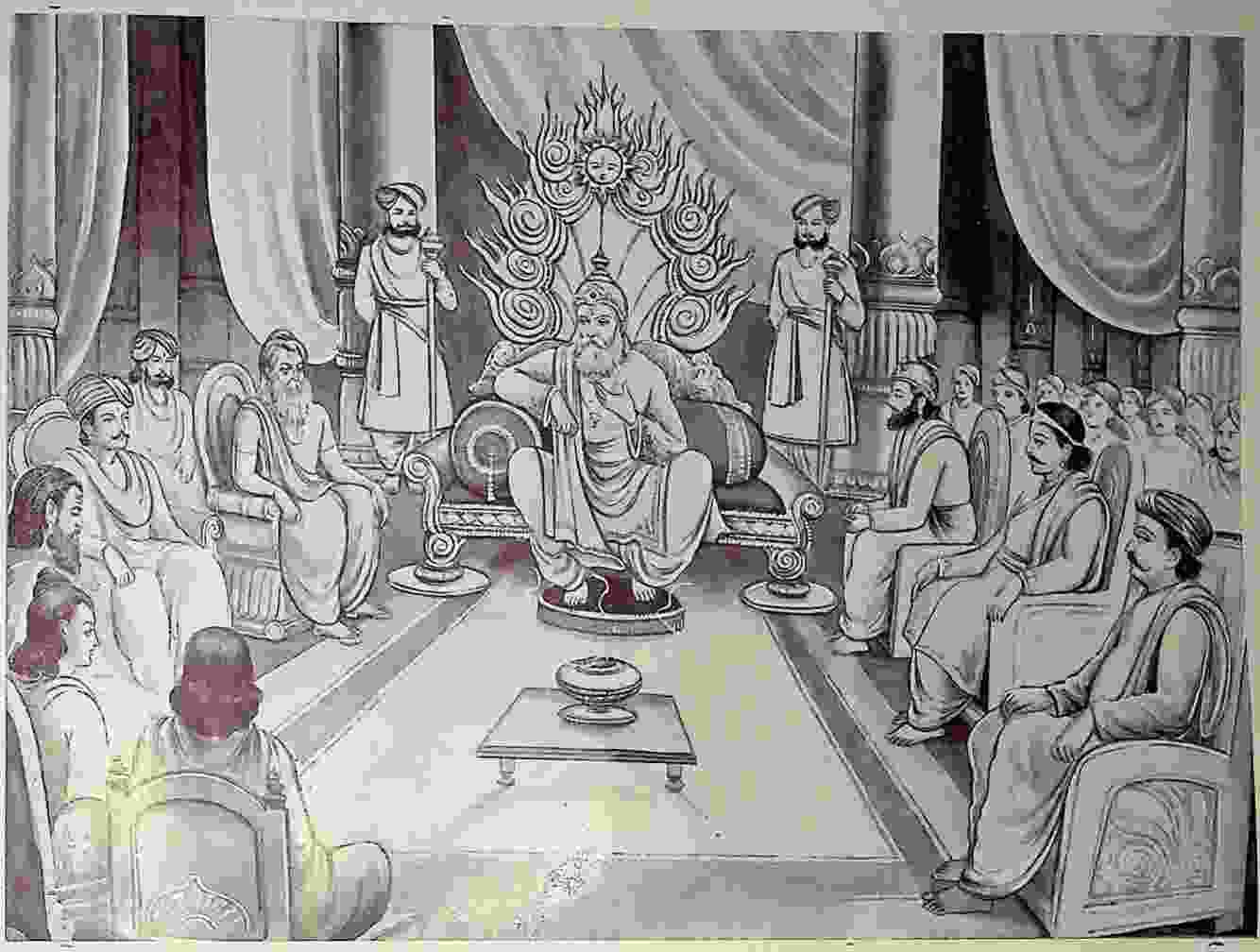
Dasharatha Maurya
Ancient India | c. 285 BCE - c. 232 BCE
"Dasharatha Maurya was a Mauryan emperor and the grandson of Ashoka the Great. He succeeded Ashoka and continued the administration of the Maurya Empire, preserving its traditions and supporting religious institutions. He is particularly known for donating caves to the Ajivika sect and maintaining the legacy of the Mauryan dynasty."
Born
c. 285 BCEBirthplace
Pataliputra, Maurya Empire (Present-day Patna, Bihar, India)Died
c. 232 BCEPlace of Death
Pataliputra, Maurya Empire (Present-day Patna, Bihar, India)Nationality
Mauryan (Ancient Indian)Gender
MaleDasharatha Maurya Biography
Dasharatha Maurya was an important ruler of the Maurya Empire and the grandson of the famous Emperor Ashoka the Great. He succeeded Ashoka after his death and attempted to preserve the vast empire that had become one of the largest political powers in ancient India. Although his reign was comparatively short, Dasharatha played a significant role in maintaining Mauryan administration and supporting religious institutions.
Early Life
Dasharatha Maurya was born into the illustrious Mauryan royal family. He was the grandson of Emperor Ashoka and inherited the political traditions and administrative systems established by his ancestors Chandragupta Maurya, Bindusara, and Ashoka.
Growing up in the imperial capital of Pataliputra, he received training in governance, diplomacy, statecraft, and military administration.
Accession to the Throne
Following the death of Ashoka around 232 BCE, Dasharatha Maurya ascended the throne of the Maurya Empire. Historical records regarding the succession are limited, but many scholars identify him as one of Ashoka's immediate successors.
He inherited a vast empire that faced increasing administrative and regional challenges after Ashoka's reign.
The Maurya Empire After Ashoka
When Dasharatha became emperor, the Maurya Empire was still one of the most powerful states in the Indian subcontinent. However, maintaining such an enormous territory required strong administration and efficient governance.
Several regions began seeking greater autonomy, and the central authority faced difficulties in controlling distant provinces.
Administration and Governance
Dasharatha continued many of the administrative practices established by previous Mauryan rulers. He retained central authority through provincial governors, officials, and local administrators.
His government worked to preserve law and order, tax collection, and public administration throughout the empire.
Despite growing challenges, he helped maintain stability during a transitional period in Mauryan history.
Patronage of Religion
Like his grandfather Ashoka, Dasharatha supported religious institutions. Although Ashoka is best known for promoting Buddhism, Dasharatha is particularly remembered for his patronage of the Ajivika sect, an ancient philosophical and religious movement.
His support reflected the tradition of religious tolerance that characterized much of Mauryan rule.
Barabar and Nagarjuni Caves
One of Dasharatha Maurya's most important contributions was the donation of cave complexes to Ajivika ascetics.
He dedicated several caves located in the Barabar and Nagarjuni Hills of present-day Bihar. These caves feature remarkable rock-cut architecture and polished interiors that demonstrate the advanced craftsmanship of the Mauryan period.
The inscriptions found in these caves provide valuable historical evidence regarding Dasharatha's reign.
Architectural Contributions
The cave monuments associated with Dasharatha Maurya are among the earliest surviving examples of rock-cut architecture in India.
These structures influenced later Indian architectural traditions and are considered important landmarks in the history of Indian art and engineering.
Political Challenges
Dasharatha ruled during a period when the Maurya Empire was beginning to experience gradual decline. Maintaining control over distant territories became increasingly difficult.
Regional governors and local rulers started asserting greater independence, reducing the effectiveness of centralized authority.
Despite these difficulties, Dasharatha worked to preserve the unity and stability of the empire.
Death
Dasharatha Maurya is believed to have died around the middle of the third century BCE. The exact circumstances and date of his death remain uncertain due to limited historical records.
After his reign, the Maurya Empire continued under later rulers but gradually weakened over time.
Legacy
Dasharatha Maurya occupies an important place in Mauryan history as a ruler who sought to continue the legacy of Ashoka. He is remembered for his religious patronage, cave inscriptions, and efforts to maintain the administrative structure of the empire.
His contributions provide valuable insight into the transitional period following the reign of one of India's greatest emperors.
Historical Significance
Although not as famous as Chandragupta Maurya or Ashoka, Dasharatha played an important role in preserving Mauryan traditions after the empire reached its peak.
The inscriptions associated with his reign remain significant historical sources for understanding the later Mauryan period.
Honours and Recognition
- Grandson and successor of Emperor Ashoka.
- Mauryan emperor who ruled after Ashoka's death.
- Patron of the Ajivika religious sect.
- Associated with the Barabar and Nagarjuni Cave inscriptions.
- Remembered as an important ruler of the later Maurya Empire.
Conclusion
Dasharatha Maurya was a significant ruler who inherited one of the greatest empires in ancient India. Through his administrative efforts, religious patronage, and architectural contributions, he helped preserve the Mauryan legacy during a period of transition. Though often overshadowed by Ashoka, his reign remains an important chapter in the history of Ancient India and the Mauryan Dynasty.
Comments & Tribute (0)